Waste removal near Ealing Broadway station quick tips
Posted on 30/06/2026
If you are trying to sort waste removal near Ealing Broadway station quick tips style, the main goal is usually simple: get the rubbish gone quickly without creating hassle on a busy stretch of West London. That sounds straightforward, but in practice there are a few moving parts. Parking can be awkward, access can be tight, and if you are clearing a flat, shop, office, or building project, the pile grows faster than you expect. Truth be told, most delays come from poor prep rather than the waste itself.
This guide walks you through the practical side of local waste removal near Ealing Broadway station: what works, what to avoid, how to compare options, and how to keep things tidy, safe, and cost-aware. If you want a broader view of services in the area, you may also find the services overview useful, especially if you are deciding between a one-off clearance and a more specific job.
Quick tip up front: the faster the location, access details, and waste type are clarified, the smoother the whole job tends to be. Not glamorous, but very true.
Why Waste removal near Ealing Broadway station quick tips Matters
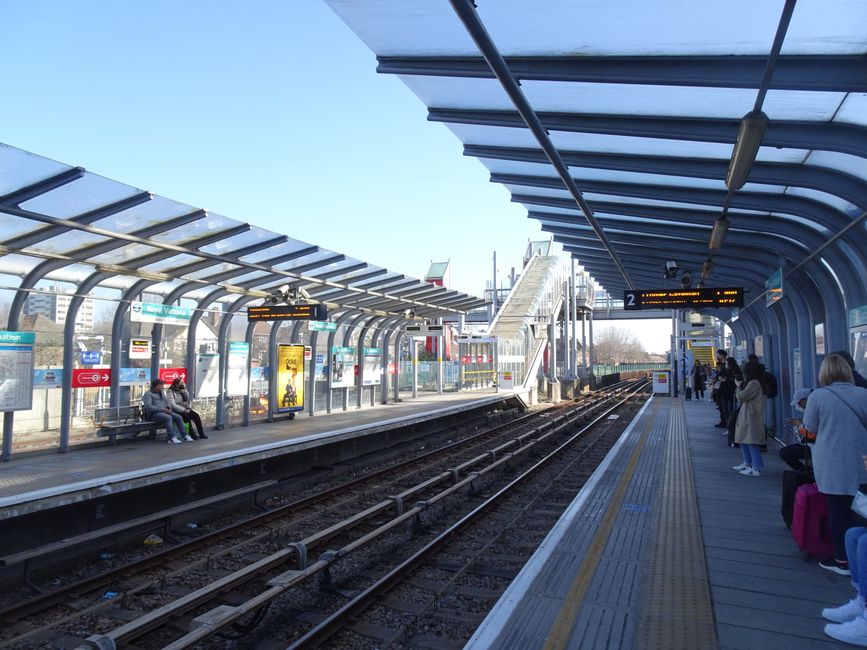
Ealing Broadway station is a busy, well-connected part of the area, which is fantastic for getting around and not so fantastic if you are trying to move bulky waste from a narrow street, a shared building, or a commercial unit at a busy time of day. Small inefficiencies add up quickly. A missed parking window, a poorly sorted pile, or a lift that is too small for a sofa can turn a 30-minute job into an afternoon of frustration.
The local context matters too. Around stations, you often have mixed property types: flats above shops, older terraces, office suites, short-term lets, and renovation sites. That means no two jobs look quite the same. One household may need a simple same-day collection of bagged waste. Another may need a full house clearance after a move. Someone else may be dealing with office furniture, broken fixtures, or builder's rubble. Different waste, different handling. Obvious, yes, but easy to forget when you are in a hurry.
That is why a quick-tips approach is useful. It helps you think in terms of access, timing, sorting, and disposal route rather than just "get rid of the rubbish." When you plan it properly, you reduce disruption for neighbours, avoid repeated lifting, and make it easier to stay on the right side of local expectations. If you are dealing with a property move or purchase nearby, the local guides on why Ealing is a great place to live and property buying savvy tips can also help you understand the kinds of clear-out pressure people often face in the area.
How Waste removal near Ealing Broadway station quick tips Works
In practical terms, local waste removal usually follows a fairly simple rhythm. You describe what needs taking away, the provider estimates the load and access needs, a collection is arranged, and the waste is removed, sorted, and taken to the appropriate destination for reuse, recycling, or disposal. The exact process depends on the type of waste and the provider's working method, but the principle stays the same: fast collection, safe lifting, sensible sorting.
Near Ealing Broadway station, the collection side often needs a bit more forethought than in quieter residential streets. Why? Because access can be constrained by traffic, limited parking, narrow pavements, or shared entrances. A team may need to know whether they can park close by, whether there is a lift, whether the waste is on the ground floor or several flights up, and whether anything needs dismantling first. If you have ever carried an old wardrobe down a staircase that was clearly not designed for it, you will know the feeling.
For home jobs, this might mean a few bin bags, old furniture, a mattress, and a damaged appliance. For business premises, it could be chairs, filing cabinets, retail packaging, or desk units. For building work, it is usually heavier and more specialist. If your project involves rubble, timber offcuts, plasterboard, or mixed construction waste, a dedicated builders waste disposal Ealing service is often the better fit than a general rubbish collection.
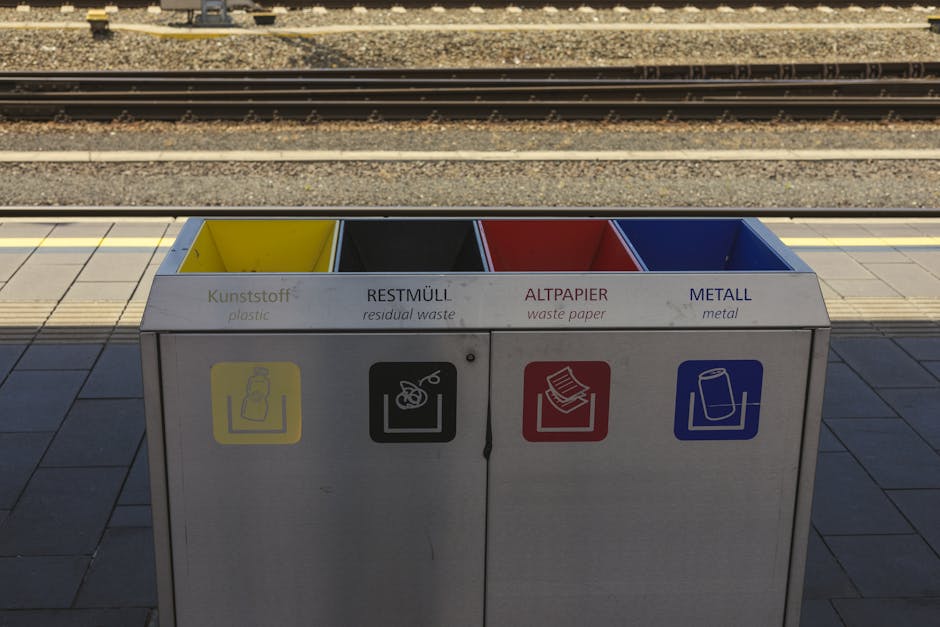
There is also a planning layer many people overlook: what can be recycled, what must be separated, and what should never be mixed in casually. If you care about waste being handled responsibly, recycling and sustainability matters as much as speed. A quick removal is good. A quick removal with responsible sorting is better.
Key Benefits and Practical Advantages
The biggest benefit of a well-planned local waste removal is simple: it saves time. But that is only the start. Done properly, it also reduces stress, limits disruption, and keeps your space usable again much sooner. Around a station area, that can be a big deal because busy streets tend to amplify every little inconvenience.
- Faster turnaround: Quick collections are ideal when you need a flat, office, or shop cleared before a deadline.
- Less handling: If items are pre-sorted, the team can load more efficiently and avoid unnecessary back-and-forth.
- Cleaner access: A tidy pile is safer for residents, visitors, customers, and staff.
- Lower disruption: Good planning reduces time spent blocking entrances, corridors, or parking spaces.
- Better disposal outcomes: Reusable and recyclable materials are easier to separate when everything is organised.
There is a quieter benefit too: peace of mind. Waste removal is one of those jobs that hangs around in your head until it is done. Once the clutter is gone, the room feels bigger, brighter, and honestly a bit calmer. You notice the floor again. You notice the light. Small thing, but it changes the mood.
If your project is broader than a single collection, you may want to look at the wider waste removal Ealing service or the more general rubbish clearance Ealing option, depending on how mixed the load is. For heavier domestic jobs, house clearance Ealing is often the right path. For desks, chairs, and office clutter, office clearance Ealing usually fits better.
Who This Is For and When It Makes Sense
Not every waste problem needs a major collection. Sometimes a few neat bags and a booked slot are enough. But in practice, waste removal near Ealing Broadway station is especially useful if you are dealing with one of the following situations:
- Move-out clutter: Old furniture, broken household items, and leftover packaging.
- Property refreshes: Clearing a flat between tenants or before sale.
- Office changes: Replacing furniture, archive boxes, or outdated equipment.
- Retail or hospitality clean-outs: Packaging, display items, shelving, or worn fixtures.
- DIY or renovation work: Plaster, timber, tiles, and mixed debris.
- Garden work: Branches, soil, hedge cuttings, and bags of green waste.
It also makes sense when time is tight. If you are juggling contractors, keys, tenants, or a moving date, the last thing you need is to spend half a day shuttling items to a disposal site. In those moments, the value is not just removal. It is restoring control.
For garden-heavy clearances, a dedicated garden waste removal Ealing service is often more efficient than a mixed waste booking. And if you are unsure what you actually need, the page on your rubbish removal needs can help you think through the job type before you book.
Step-by-Step Guidance
Here is the simplest practical way to handle waste removal near the station without making a meal of it.
- List what you need removed. Be specific. "General rubbish" is less helpful than "two wardrobes, six bags, a broken monitor, and carpet offcuts."
- Separate special items early. Keep aside anything fragile, sharp, electrical, or potentially recyclable.
- Check access. Note stairs, lifts, parking constraints, rear entry, gated access, and whether anything needs to be dismantled.
- Take a few photos. This is one of the quickest ways to help assess the job honestly. A picture saves a surprising amount of back-and-forth.
- Decide what must stay. It sounds obvious, but items in hallways and corners get accidentally moved all the time.
- Choose the right service type. Domestic, commercial, garden, builders, or full clearance all behave differently.
- Book at a sensible time. Around a station, quieter slots can make collections easier. Early morning is often calmer than mid-afternoon, though every street has its own rhythm.
- Prepare the route. Clear hallways, unlock gates, protect surfaces if needed, and make sure the team can get straight to the load.
- Confirm payment and paperwork. Keep the booking details, scope, and any terms in one place. Saves headaches later.
One small but useful habit: group items by type before the crew arrives. Put wood with wood, cardboard with cardboard, electrics together, and so on. That does not just help the collection go faster; it often supports better recycling decisions too. A bit fiddly, yes. Worth it, absolutely.
Expert Tips for Better Results
After enough clearances, a pattern becomes obvious: the best jobs are the ones where the customer has done a little thinking before the van arrives. Nothing extreme. Just enough preparation to make the load predictable.
Tip 1: Measure the bulky items before collection. If a sofa, wardrobe, or desk barely fits through a doorway, mention it early. The difference between "it should be fine" and "it definitely needs dismantling" matters more than people expect.
Tip 2: Photograph stairwells and parking points. Sounds almost too simple, but it helps avoid surprises. A narrow stairwell, a low basement step, or a loading bay restriction can change the whole plan.
Tip 3: Ask about mixed loads. If you have ordinary household waste, a few electricals, and some renovation debris, say so. Mixed loads can still be fine, but clarity keeps everyone honest.
Tip 4: Do not leave waste outside too early. Around busy streets, exposed piles can attract bad weather, create obstruction, or annoy neighbours. Nobody wants soggy cardboard at 7 a.m. on a damp Tuesday.
Tip 5: Keep one clear decision-maker on site. If several people are giving instructions, the job can slow down. One contact. One plan. Much easier.
Tip 6: Be realistic about what you can sort yourself. You do not need to label every screw, but basic separation helps. Recyclable cardboard, reusable fixtures, and general rubbish should not all be mashed together if you can avoid it.
If you are still comparing providers, it is sensible to review the company's insurance and safety information and, where relevant, check how pricing works through the pricing and quotes page. That is not overthinking it. That is just being practical.
Common Mistakes to Avoid
Most waste removal issues come down to a small set of avoidable mistakes. Once you know them, they become easy to sidestep.
- Leaving access details vague: "Easy access" means different things to different people. Mention lifts, stairs, parking, and entry codes clearly.
- Underestimating volume: A few items in a corner can grow into a full van load once they are gathered together.
- Mixing special items with normal rubbish: Electricals, heavy rubble, and sharp materials may need separate handling.
- Forgetting about neighbours or shared spaces: Common hallways, driveways, and loading areas should be treated with care.
- Assuming every provider handles the same waste: Some jobs are straightforward. Others need a more specific service.
- Not asking about recycling: If sustainability matters to you, do not leave it to chance.
One mistake I see more often than I should: people wait until the last possible hour and then expect a miracle. Sometimes that works. Often it leads to a rushed booking, a tighter schedule, and a slightly stressed phone call. Better to book early if you can. Not dramatic, just sensible.
Tools, Resources and Recommendations
You do not need a toolbox full of gadgets to manage waste removal well. Still, a few basic tools and habits make the process much smoother.
- Strong refuse sacks: Better for split items, lighter waste, and easier loading.
- Marker labels or tape: Useful for separating keep, donate, recycle, and remove piles.
- Measuring tape: Handy for bulky furniture and awkward access points.
- Phone camera: The quickest way to document the load and shared access.
- Flat-pack tools: A screwdriver or hex key can save time if furniture needs partial dismantling.
- Protective gloves: Not essential for every job, but wise for sharp or dusty loads.
For larger domestic or commercial projects, it is worth using a service page that matches the job type rather than forcing a general solution. A straightforward clearance is one thing. A full office clear-out is another. If your job is business-related, office clearance Ealing is more aligned with desks, chairs, filing units, and equipment. If you are clearing a home after a sale or tenancy, house clearance Ealing may be the better fit.
For local readers who want a bit more neighbourhood context, the blog post on getting to know Ealing gives a broader sense of why this part of London sees so much turnover, renovation, and mixed-use activity. That all feeds into waste patterns, naturally.
Law, Compliance, Standards, or Best Practice
Waste removal is one of those everyday services where compliance matters quietly in the background. You do not usually need to become a regulations expert, but you should expect professional handling, responsible disposal, and a sensible approach to safety. In the UK, waste should be handled in line with relevant legal duties and standard best practices, and reputable operators normally work with those expectations in mind.
For you as the customer, the practical takeaway is simple:
- Use a provider that takes waste handling seriously. That includes safe loading, proper transport, and legitimate disposal routes.
- Do not assume all items can be mixed together. Some materials need special care.
- Be clear about hazardous or unusual items. If in doubt, ask before collection day.
- Keep records of the booking and agreement. This is useful for property managers, landlords, and business owners.
Best practice also includes respecting common areas, avoiding obstruction, and keeping the site safe while the collection is underway. That is especially important near transport hubs and shared buildings. A tidy pickup is not just efficient; it is respectful.
You may also want to review a provider's terms and policies if you are booking for a business, tenancy changeover, or repeated service. Pages such as terms and conditions, privacy policy, and cookie policy are not exciting reading, granted, but they can still help you understand how the company operates.
Options, Methods, or Comparison Table
Choosing the right waste removal method is often the difference between a smooth job and a slightly annoying one. The table below gives a simple, practical comparison.
| Method | Best for | Strengths | Watch-outs |
|---|---|---|---|
| Bag-and-go collection | Small household clear-outs | Quick, simple, efficient | Volume can be underestimated easily |
| Full house clearance | Moves, probate-style clear-outs, end-of-tenancy work | Handles larger volumes and mixed items | Needs good access and clear instructions |
| Office clearance | Desks, chairs, cabinets, equipment | Suited to business premises and structured removal | May involve data-sensitive or bulky items |
| Builders waste disposal | Renovation debris and heavy materials | Better for mixed construction waste | Requires clarity on material type and weight |
| Garden waste removal | Branches, cuttings, soil, green waste | Cleaner than mixing with general rubbish | Wet or heavy green waste can be awkward |
If you are deciding between options, ask yourself one question: what is the real job here? A few chairs and bags? A full refresh? Heavy debris? The answer points you toward the right service much faster than a generic search ever will.
Case Study or Real-World Example
Here is a realistic local scenario. A small flat near Ealing Broadway station has been let for several years, and the landlord now needs it cleared between tenants. The property contains a broken bed frame, a wardrobe, two chairs, several bags of mixed household waste, and a few electrical items left behind by the outgoing occupants. The hallway is narrow, and parking is limited, which is fairly typical in the area.
Instead of handling everything piecemeal, the owner lists the items, photographs the access route, and separates the obvious recyclables from general waste. They also flag the fact that one wardrobe will likely need dismantling. The collection is arranged for a quieter time of day, and the team arrives with a clear idea of what to expect. No drama. No guessing.
The main benefit is not just speed, although that helps. It is that the flat is ready for cleaning and re-letting much sooner, without the owner having to make multiple trips or store rubbish awkwardly in a communal area. A simple job, organised well, can save a surprising amount of time and pressure.
Another common version of this story happens with renovation waste. A resident starts a kitchen refresh and ends up with bagged rubble, old cabinets, cardboard packaging, and a sink unit that looked smaller in the shop. The worksite stays much safer once the waste is removed in one go. You can almost hear the room breathe again. Strange, but true.
Practical Checklist
Use this before collection day. It keeps the job moving and reduces the chance of awkward surprises.
- Confirm the exact address and access details.
- Count the bags, furniture pieces, and bulky items.
- Separate recyclables, electrical items, and anything sharp.
- Measure large furniture or oversized debris.
- Check whether anything needs dismantling before pickup.
- Make sure hallways, entrances, and stairwells are clear.
- Note any parking restrictions or loading limitations.
- Keep pets, children, and bystanders away from the work area.
- Have a single contact person available on the day.
- Review the booking details and payment expectations in advance.
Expert summary: The fastest waste removal jobs near Ealing Broadway station are usually the ones with clear access, a realistic load estimate, and simple sorting done before the team arrives. That is the whole trick, really.
Get a free quote today and see how much you can save.
Conclusion
Waste removal near Ealing Broadway station quick tips are really about reducing friction. If you know what you are clearing, where it is coming from, how it can be accessed, and what kind of service matches the load, the job becomes much simpler. That is true whether you are emptying a flat, refreshing an office, clearing a garden, or dealing with builders' debris after a renovation.
The local area rewards good planning. Busy streets, shared buildings, and tight access points can slow things down if you leave everything to chance. But with a little preparation, the whole process becomes cleaner, safer, and less stressful. And once the clutter is gone, the space feels different. Better. Lighter. Ready for whatever comes next.
Take the time to choose the right service, prepare the access, and think about recycling where you can. Small steps. Big difference. That is usually how the best jobs happen.


From a young age, Blair has cultivated a passion for order, which has now matured into a prosperous profession as a waste removal specialist. She derives satisfaction from transforming disorderly spaces into practical ones, aiding clients in conquering the burden of clutter.
 Tipper Van - Rubbish Removal and Waste Clearance Prices in Ealing, W5
 Luton Van - Rubbish Removal and Waste Clearance Prices in Ealing, W5