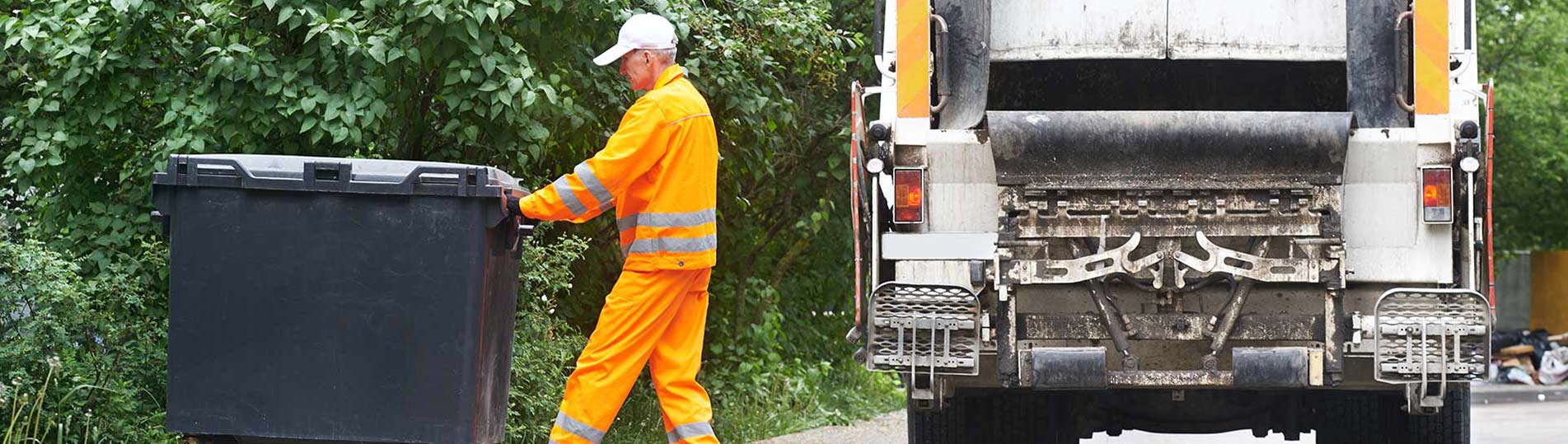
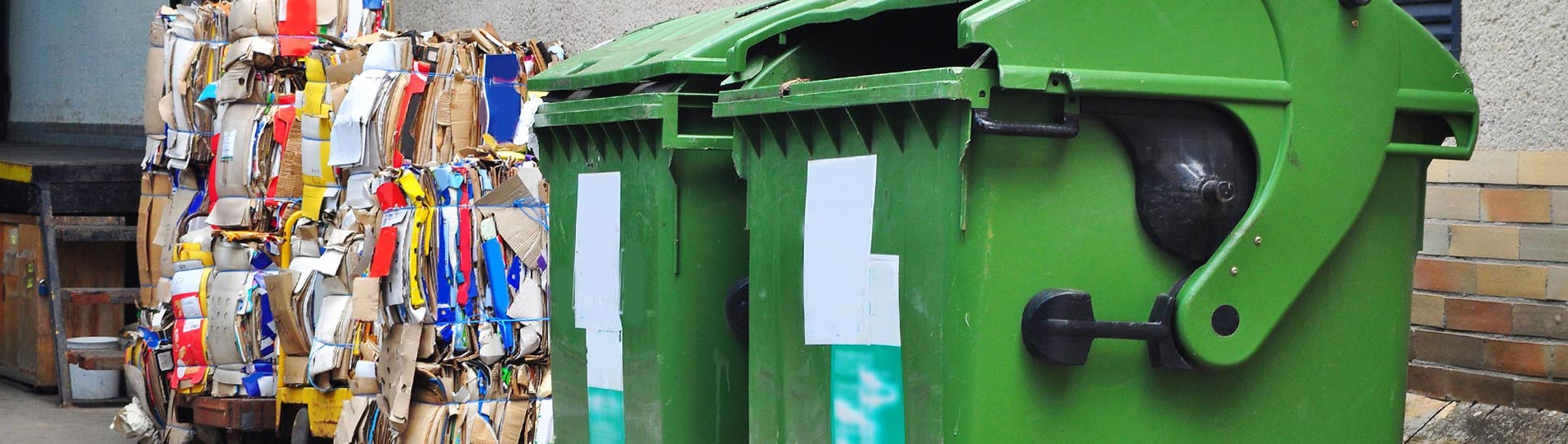
Rubbish collection Pitshanger Lane Ealing W5 guide
Posted on 19/06/2026
If you live, work, or manage a property near Pitshanger Lane, rubbish has a way of building up faster than you expect. One week it is a broken wardrobe, the next it is garden cuttings, a few builder's sacks, and that awkward pile of boxes you meant to deal with last Saturday. This Rubbish collection Pitshanger Lane Ealing W5 guide is designed to make the whole process feel clearer, calmer, and much less of a chore.
Whether you are clearing a flat, dealing with end-of-tenancy mess, tidying after a renovation, or just trying to get your space back, the key is knowing what to expect and how to choose the right approach. Done well, rubbish collection is straightforward. Done badly, it becomes noisy, expensive, and irritating. Let's avoid the second one.
In this guide, you will find a practical breakdown of how rubbish collection usually works in Ealing W5, when it makes sense to book professional help, what to watch out for, and how to keep things tidy, compliant, and efficient. If you want broader service context while you read, it can also help to look at the company's services overview and the dedicated rubbish clearance service for Ealing.

Why Rubbish collection Pitshanger Lane Ealing W5 guide Matters
Pitshanger Lane has its own rhythm. It is busy enough to need planning, but residential enough that you quickly notice when waste is left out too long, stacked awkwardly, or handled without care. In a street like this, rubbish collection is not just about getting rid of clutter. It is about keeping access clear, respecting neighbours, avoiding fly-tipping risks, and staying on the right side of local expectations.
That matters for households, yes, but also for landlords, letting agents, independent shops, offices, and anyone carrying out refurbishments. If a property is being sold, rented, repaired, or simply reset after years of accumulation, waste removal is often one of the quiet tasks that makes everything else easier. It is rarely glamorous. It is often necessary.
There is also a practical side. Bags left out too early, mixed waste dumped in the wrong place, or a badly timed collection can cause headaches fast. A sensible rubbish collection plan helps you avoid blocked pavements, complaints, extra labour, and the classic "we'll sort it next week" delay that somehow stretches on forever.
Expert summary: The best rubbish collection approach for Pitshanger Lane is usually the one that balances speed, access, sorting, and compliance. Not the cheapest on paper. Not always the biggest vehicle. Just the one that fits the property and the waste type properly.
For anyone balancing property projects or moving plans nearby, the area-specific context matters too. If you are exploring local housing or investment moves, the company's articles on why Ealing is such a good place to live, Ealing real estate purchases, and property buying tips for Ealing offer useful local background.
How Rubbish collection Pitshanger Lane Ealing W5 guide Works
In simple terms, rubbish collection usually follows a few predictable stages: identify the waste, decide what needs removing, arrange access, collect, load, and then sort for disposal, reuse, or recycling where possible. The details vary depending on whether you are dealing with household rubbish, bulky items, garden waste, office clear-out material, or builder's debris.
In a typical residential setting, you will start by separating items into groups. For example: furniture, general junk, bagged waste, cardboard, garden clippings, and any items that may need special handling. This makes the collection smoother and usually reduces the chance of awkward surprises on the day. A messy mix tends to slow everything down. Simple as that.
For homes on or near Pitshanger Lane, access is an important piece of the puzzle. Parking, narrow frontages, shared access, basement flats, and timed loading restrictions can all affect the job. A good plan takes account of where the vehicle can stop, how far items must be carried, and whether heavier objects need two people rather than one. That sounds obvious, but you would be surprised how often it gets overlooked.
If the work is part of a larger clean-up, it may be worth looking at related services such as house clearance in Ealing, office clearance, or builders waste disposal, depending on the type of waste involved. The right service should match the job, not the other way round.
What usually happens on the day
- You confirm what needs removing and where it is located.
- The crew assesses access, weight, and handling requirements.
- Items are loaded carefully to avoid damage to floors, walls, and shared areas.
- Waste is sorted for disposal or recycling where appropriate.
- The area is tidied so you are left with a usable space, not a half-finished mess.
That last point is the one people remember. Nobody wants to pay for rubbish removal and then spend another hour sweeping up dust and splinters afterwards.
Key Benefits and Practical Advantages
The most obvious benefit is time saved. But honestly, that is only part of it. Good rubbish collection also reduces stress, lowers the physical strain of moving heavy items, and helps you deal with clutter in one decisive go rather than three or four half-formed attempts.
There is also a safety benefit. Old furniture, loose screws, broken glass, damaged plasterboard, and damp cardboard can all create minor hazards if they sit around for too long. In family homes, rental properties, and shared premises, it is often better to remove them quickly rather than leave them in a hallway "just for now". That phrase has caused more chaos than it should.
Another advantage is presentation. If you are preparing a property for sale or let, a cleared space instantly feels bigger, brighter, and more manageable. The same goes for a shopfront, office, or studio. First impressions count. A lot. And clutter has a way of making a place look more tired than it really is.
From a sustainability point of view, professional collection can also be more responsible than making several random car trips to different disposal points. A well-run clearance team should separate reusable and recyclable materials where possible and avoid throwing everything into one mixed load. If that side matters to you, take a look at the company's recycling and sustainability approach.
Practical advantages at a glance
- Less lifting and carrying for you
- Faster turnaround on home or business projects
- Cleaner access routes and safer rooms
- Better sorting for bulky, mixed, or awkward waste
- More control over timing, especially when deadlines are tight
Who This Is For and When It Makes Sense
This kind of service is useful for more people than most assume. It is not just for major clearances or dramatic renovation jobs. In fact, many requests are fairly ordinary: a fridge that needs removing, a shed full of old tools, post-tenancy leftovers, or a loft that has become an accidental archive of every box from the last eight years.
You may need rubbish collection if you are:
- moving house and need a final clear-out
- preparing a rental property for new tenants
- clearing a garage, loft, basement, or garden
- handling post-refurbishment waste
- emptying an office, studio, or workroom
- dealing with bulky items that will not fit in normal bins
- trying to tidy up after a party, event, or seasonal reset
That said, timing matters. If the pile is small and manageable, a basic tidy-up may be enough. If the waste is mixed, heavy, or time-sensitive, professional help often makes better sense. The tricky bit is knowing when "I can probably do this myself" quietly becomes a two-day headache. We have all been there.
For business owners, landlords, and property professionals, it is also worth comparing rubbish collection with broader waste-removal support. If the job is ongoing or larger in scope, waste removal in Ealing may be the better fit. If it is a one-off domestic clear-out, a smaller rubbish collection may be more practical.
Step-by-Step Guidance
Here is a sensible way to approach rubbish collection on or around Pitshanger Lane. It is not complicated, but doing it in the right order helps avoid friction later.
- Walk the property first. Make a quick list of everything that needs removing. Include bulky items, bagged waste, broken pieces, and anything stored in harder-to-reach spots.
- Separate waste by type. Put furniture, cardboard, garden waste, and general junk into rough groups. Even a basic sort makes loading easier.
- Check access points. Think about front doors, side gates, stairwells, lifts, and parking space. A five-minute access check can save a lot of lifting later.
- Flag any awkward items. Mirrors, glass tables, white goods, mattresses, paint tins, or anything very heavy should be mentioned in advance.
- Decide what must go first. If you are working around a move, refurbishment, or end-of-tenancy deadline, remove the critical waste early.
- Choose a service that fits the job. For example, builders' debris is different from garden clippings or office paperwork.
- Prepare the area before collection. Move small personal items, keep pets and children clear, and make sure the route is open.
- Do a final sweep. After the main collection, check corners, cupboards, and outdoor edges. Odds and ends love to hide there.
If you are unsure about service scope or how a job is usually priced, it helps to review pricing and quotes information before you book. A clear quote conversation usually saves time and awkwardness on the day.
Expert Tips for Better Results
Good rubbish collection is part planning, part common sense. The following tips make a real difference, especially in a neighbourhood where access and timing can be a bit finicky.
1) Be specific about what you have
"A bit of rubbish" is rarely enough information. Try to describe the waste in plain language: one wardrobe, six bags of mixed household items, a dismantled desk, a broken freezer, or two cubic metres of garden waste. The more accurate the picture, the smoother the collection.
2) Put the heaviest items nearest the exit if possible
If you can safely move items closer to the door beforehand, do it. Just don't overdo it and hurt your back. The point is to reduce carrying time, not turn your hallway into a logistical obstacle course.
3) Keep recycling opportunities separate
Cardboard, metal, untreated wood, and green waste often benefit from being grouped separately. Even when a mixed load is possible, cleaner sorting usually helps downstream processing.
4) Think about neighbours and timing
Early morning collections, loud dragging, or blocked access can annoy people quickly. A bit of courtesy goes a long way. On a street like Pitshanger Lane, that matters more than most people admit.
5) Take photos if the job is large
A quick set of photos can help clarify the volume and type of rubbish, especially if you are comparing options or arranging a clearance around a property handover.
One more thing: if you are dealing with damp items, odours, or old stored junk, open windows before the crew arrives. A little airflow helps. Nothing dramatic, just enough to take the edge off the "we forgot this was here" smell.
Common Mistakes to Avoid
Most rubbish collection problems come from a small number of avoidable mistakes. The good news is they are easy to spot once you know what to look for.
- Leaving everything mixed together. This slows the job down and can make sorting harder.
- Forgetting about access. Narrow stairs, tight corners, and parking issues can create delays if nobody checks them in advance.
- Underestimating the volume. What looks like "three bags" can turn into a full van load once sorted.
- Not mentioning awkward waste. Mattresses, glass, heavy appliances, and sharp materials need proper handling.
- Waiting too long. If a deadline is near, do not leave collection until the last possible day. That is how pressure builds.
- Choosing on price alone. A suspiciously cheap quote can hide limits, exclusions, or poor service quality.
There is also a quieter mistake: assuming the clean-up is finished when the big items are gone. Often, the useful bit is the final tidy. Dust, broken packing straps, screws, and offcuts can linger if no one checks properly. Small things. Annoying things.
Tools, Resources and Recommendations
You do not need a lot of kit to prepare for rubbish collection, but a few basic tools make the process smoother. A couple of sturdy bin bags, gloves, a box cutter, tape, labels, and a marker pen are often enough for light preparation. For larger clearances, a broom, dustpan, trolley, or sack truck can be useful if items are being moved short distances safely.
If the job involves specific waste streams, you may also want a simple staging system. For example:
- Keepers - items staying in the property
- Donate or reuse - still usable goods
- Recycle - cardboard, clean wood, metal, and similar materials
- Dispose - damaged, contaminated, or unusable items
For garden-related jobs, the company's garden waste removal page may be useful. For heavy renovation material, builders waste disposal is the better match. And if you are planning a full property reset, the broader house clearance service may be the most practical route.
If you are exploring the company itself and want a sense of how it works, the about us page and insurance and safety information are sensible places to look. Trust matters, especially when people are moving through your home or business premises.
Law, Compliance, Standards and Best Practice
Rubbish collection in the UK should be handled with care, and that includes understanding duty of care, safe handling, and responsible disposal. You do not need to become a compliance expert to book a collection, but it helps to know the basics.
At a practical level, responsible waste handling usually means the waste is collected, transported, and dealt with through legitimate channels. Reputable operators should be able to explain how they approach sorting, disposal, and recycling. If they avoid the question or talk vaguely, that is not ideal. To be fair, vague answers are often the first warning sign.
Safety is another key part of the picture. Heavy lifting, sharp edges, dust, mould, broken furniture, and awkward access can all create risks. Good practice usually includes sensible lifting, suitable equipment, and making sure items are handled without damaging property or putting people at risk. The company's insurance and safety page is worth reviewing if you want reassurance on that front.
There is also a standards mindset to keep in mind: clear communication, realistic scheduling, honest pricing, and proper treatment of recyclable materials. If a provider can explain their approach in plain English, that is often a good sign. You do not need jargon. You need clarity.
Options, Methods, or Comparison Table
Choosing the right rubbish collection method depends on waste type, urgency, budget, and how much lifting you want to do yourself. Here is a straightforward comparison to help you think it through.
| Method | Best for | Advantages | Limitations |
|---|---|---|---|
| Self-loading and disposal | Very small amounts of waste | Can feel cheaper if you already have transport | Time-consuming, physically demanding, multiple trips |
| Basic rubbish collection | Mixed household rubbish, a few bulky items | Fast, convenient, less lifting for you | May not suit very large or specialist loads |
| House clearance service | Whole rooms, moves, estate clear-outs | Good for larger domestic jobs and full property resets | More involved than a simple collection |
| Office or business clearance | Workplaces, storage rooms, refurbishments | Useful for desks, chairs, paperwork, and mixed business waste | Needs more planning and access coordination |
| Garden waste removal | Cuttings, branches, soil-related outdoor clutter | Helps when outdoor waste builds up quickly | Not suitable for all mixed household waste |
In real life, many people start with one method in mind and then realise a different one is better. That is normal. The trick is not to force a small job into a big service, or a big job into a tiny one.
Case Study or Real-World Example
Here is a realistic example from the kind of job people often face near Pitshanger Lane. A family preparing to move out of a first-floor flat had accumulated old boxes, a sofa that would not fit through the new layout, broken shelving, a couple of bags of mixed household waste, and a small pile of garden trimmings from the back area. Nothing extreme. Just enough to make the place feel cramped and awkward.
They started by sorting the waste into rough categories and clearing a walkway from the front room to the entrance. That alone made the job less stressful. They also photographed the bulky items so the collection could be planned properly. On the day, the crew had clear access, the route was open, and the job moved quickly. The flat was left cleaner, lighter, and much easier to hand over.
The real lesson? Small preparations often save more time than people expect. The family did not need a complicated system. They just needed a plan and a clear idea of what had to go. One of them later said, with some relief, that the place "finally looked like a home again, not a storage unit". Hard to argue with that.
Practical Checklist
Use this quick checklist before your rubbish collection appointment:
- List every item that needs removing
- Separate bulky items from bagged waste
- Note any glass, sharp, heavy, or awkward objects
- Check access, parking, and stairs
- Keep the collection route clear
- Move valuables and personal paperwork out of the way
- Ask about recycling and sorting if that matters to you
- Confirm timing, especially if you have a move or deadline
- Look for any leftover waste in cupboards, sheds, lofts, or corners
- Do a final sweep once the job is complete
If you can tick most of those off, you are already ahead of the game.
Conclusion
Rubbish collection around Pitshanger Lane in Ealing W5 works best when it is planned with a bit of care and handled by people who understand the practical realities of local access, property types, and waste categories. The job may look simple from the outside, but the difference between a smooth collection and a frustrating one usually comes down to preparation, clarity, and choosing the right service for the right waste.
Whether you are clearing a home, handling a business space, tackling garden debris, or trying to get a property ready for its next chapter, the goal is the same: remove the clutter, reduce the stress, and leave the place genuinely usable again. That is the real value here. Not just disposal, but a proper reset.
Get a free quote today and see how much you can save.
And if you are still weighing up your options, that is fine. A good decision with rubbish clearance is usually a calm one, not a rushed one. A bit of planning now can make the rest of the week feel lighter.


From a young age, Blair has cultivated a passion for order, which has now matured into a prosperous profession as a waste removal specialist. She derives satisfaction from transforming disorderly spaces into practical ones, aiding clients in conquering the burden of clutter.