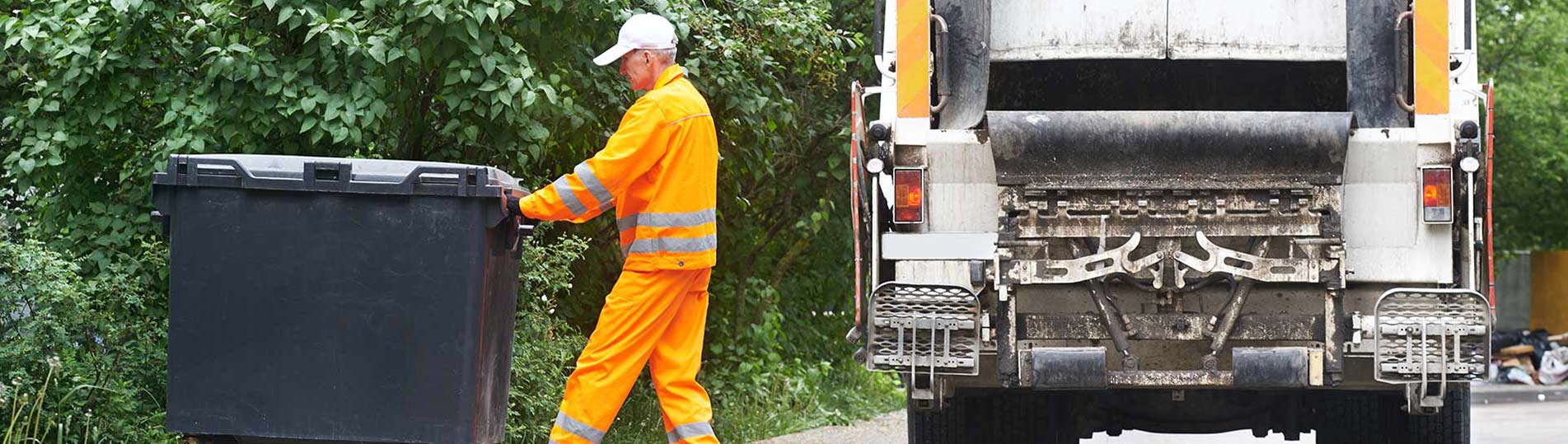
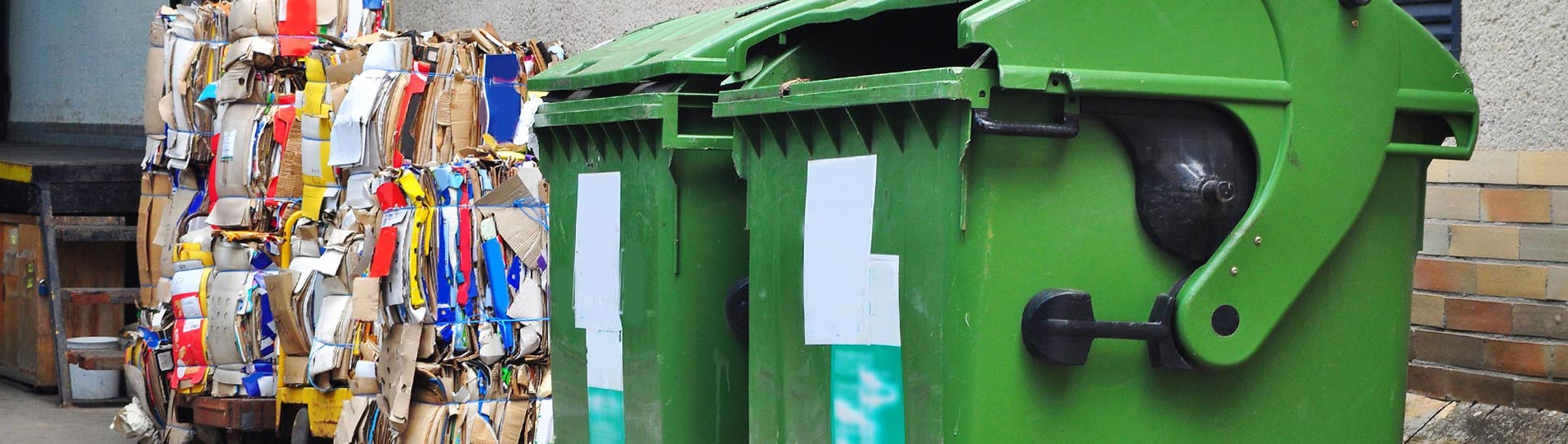
Domestic rubbish clearance Northfields estate explained
Posted on 14/07/2026

If you live on Northfields estate and the rubbish is starting to pile up, you are not alone. Old furniture in the hallway, broken bits from a flat move, a shed full of "I'll deal with that later" items - it all adds up quickly. This guide to domestic rubbish clearance Northfields estate explained breaks the process into simple, practical steps so you know what happens, what to avoid, and how to get the job done without unnecessary stress.
Whether you are clearing a single bulky item or dealing with a full house reset, the real challenge is usually not the waste itself. It is timing, access, sorting, and knowing what should be reused, recycled, or removed safely. Let's face it, most people do not want a lecture on rubbish. They want the place cleared, tidied, and back to normal. That is exactly what this article is for.
Along the way, we will cover how domestic clearance works in practice, who it suits, what good service looks like, and the common mistakes that create avoidable hassle. If you also want a wider view of services, you may find the services overview useful alongside this guide.
Why Domestic rubbish clearance Northfields estate explained Matters
Domestic clearance sounds straightforward until you are standing in front of three rooms full of things that do not fit in normal bins. On Northfields estate, that often means the practical realities of flats, maisonettes, shared entrances, parking limitations, and neighbours who quite reasonably do not want bags left in corridors for days. A clear plan matters because waste builds up fast and the space you live in starts to feel smaller, messier, and more tiring than it should.
There is also a trust angle here. Good rubbish clearance is not just "take stuff away". It is about handling items properly, separating recyclable material where possible, and making sure the job is done safely. For a household, that can mean everything from old mattresses and wardrobes to bagged general waste, garden cuttings, or leftover bits from a recent tidy-up. If you need a broader waste solution rather than a one-off clear-out, waste removal in Ealing is the kind of service page that helps set expectations.
Another reason this matters is timing. Domestic clearance is often needed at the worst possible moment: after a tenancy ends, before guests arrive, during a family bereavement, or right before a move. In those moments, a vague "we'll sort it out later" approach usually backfires. You need something organised, calm, and realistic. Not glamorous, no. Useful, yes.
Expert summary: Domestic rubbish clearance works best when you sort the obvious hazards first, leave the unknowns for a quick check, and treat access, parking, and recycling as part of the job rather than an afterthought.
How Domestic rubbish clearance Northfields estate explained Works
In practical terms, domestic clearance is a collection-and-handling service for household waste and unwanted items. The process is usually simple, but the best outcomes come from doing a few small things in the right order. On Northfields estate, the layout of the property often influences the job almost as much as the amount of waste itself.
Here is the usual flow. First, the household explains what needs removing. That might be one bulky sofa, a few rooms of accumulated clutter, or a more mixed clearance with bags, small appliances, and furniture. Then the service provider assesses the volume and type of waste, sometimes using photos, sometimes by a quick visit, and sometimes by a short phone call if the job is easy to describe. After that, the clearance is scheduled, the team arrives, and items are removed from where they are stored, not just from the pavement outside. That distinction matters.
If you are dealing with larger household loads or a more comprehensive property clean-out, a dedicated house clearance service is often more suitable than trying to piece together several different solutions.
Domestic clearance can involve sorting items into broad categories:
- general household rubbish
- reusable furniture or fittings
- recyclable materials such as metal, certain plastics, cardboard, or wood
- bulky waste like wardrobes, beds, and sofas
- garden waste from patios, planters, or small outdoor areas
- special items that may need extra care, such as electrical goods
Not every clearance is a same-day job, and not every job should be rushed. A small flat clear-out can often be straightforward, while a larger family property may need staging: one round of removal, a deeper sort, then a final sweep. That is normal. And to be fair, it usually saves time in the long run.
Key Benefits and Practical Advantages
The main benefit of domestic rubbish clearance is obvious: you get your space back. But the real value often shows up in the less dramatic details. A cleared hallway is easier to use. A cleaned-out spare room becomes usable again. A garden or balcony feels manageable rather than neglected. Those small wins add up.
There are also some practical advantages that are easy to overlook:
- Less physical strain: bulky lifting is harder and riskier than it looks, especially on stairs.
- Better time control: one scheduled visit is usually easier than multiple DIY trips.
- Cleaner sorting: useful items can be separated from true waste.
- Improved safety: removing broken furniture or loose clutter reduces trip hazards.
- Less disruption to neighbours: especially important in shared blocks or tightly managed estates.
For households trying to make a home feel calmer again, these benefits matter more than people expect. There is something about a cleared room in the evening light - the carpet visible again, the air a little less cramped - that changes how the whole home feels. Sounds a bit much, maybe, but you notice it.
If your clearance is linked to renovation or repair work, it may be worth looking at builders waste disposal in Ealing as well, because mixed household-and-construction waste needs a slightly different approach.
Who This Is For and When It Makes Sense
Domestic rubbish clearance is not only for big house moves or dramatic clear-outs. In reality, it suits a wide range of everyday situations. On Northfields estate, it often makes sense for people in flats, families with little storage, and anyone who has reached the point where the spare room is no longer spare at all.
It is especially useful if you are:
- moving home and need to leave the property tidy
- clearing out after a tenancy or before new occupants arrive
- dealing with inherited belongings and mixed household items
- refreshing a flat after a long period of clutter build-up
- getting rid of broken furniture or old appliances
- making space after a DIY project or seasonal sort-out
It also makes sense when the job is emotionally heavy. People often underestimate that part. Clearing a loved one's home, for example, is rarely just a logistics problem. It can be tiring, sentimental, and oddly slow. Having a sensible process helps more than people think.
If your home project is tied to buying, selling, or moving in the area, you might also find these local reads useful: Ealing real estate purchases, property buying tips for Ealing, and why Ealing is a great place to live. They are not rubbish guides, obviously, but they do help with the wider move-in/move-out picture.
Step-by-Step Guidance
If you want a clean result with fewer surprises, use a simple sequence. It does not need to be fancy. In fact, the simpler the better.
- Walk through the property room by room. Make a rough list of what is going. Don't overcomplicate it. Start with the obvious things first.
- Separate keep, donate, recycle, and remove. This one small habit can reduce waste volume and save money if the job is charged by load size.
- Check access routes. Think stairwells, lifts, hallways, parking, and any shared estate restrictions. A perfectly planned clearance can still go sideways if the team cannot get the sofa out cleanly.
- Flag awkward items early. Mirrors, glass, large wardrobes, heavy white goods, and old electronics often need extra handling.
- Book a suitable time slot. Choose a time that avoids school runs, peak parking pressure, or building access bottlenecks if possible.
- Clear a path to the items. Moving small obstacles beforehand can make a surprisingly big difference.
- Stay available for a quick decision. If the team finds an item you forgot to mention, a fast answer keeps things moving.
- Do a final check before they leave. Look behind doors, under beds, and in cupboards. The number of times people forget the loft hatch is, honestly, quite amusing.
For garden-heavy households or ground-floor homes with outdoor storage, garden waste removal in Ealing can be a practical add-on if the clearance includes soil bags, branches, planters, or general outdoor clutter.
Expert Tips for Better Results
A few small decisions can make the whole process smoother. These are the sorts of details that get missed when people are rushing.
- Photograph the waste before booking. It helps create a more accurate assessment and avoids last-minute surprises.
- Group similar items together. Furniture in one area, bags in another, electronics together if possible. A little order goes a long way.
- Do not fill bags with mixed sharp or heavy objects. It sounds obvious, but you would be surprised.
- Keep paperwork and valuables separate. Useful documents have an annoying habit of hiding inside drawer units and storage boxes.
- Ask about recycling handling. Good providers should be able to explain how common household materials are sorted.
- Plan for parking and lift access. This is especially important on estates where space is tight.
One practical tip we like: make a "not sure" box. Put uncertain items there so you do not waste time stopping the whole process to make tiny decisions. It sounds simple because it is simple. Simple usually wins.
If you want to understand the broader approach to recycling and responsible disposal, the recycling and sustainability page is worth a look.
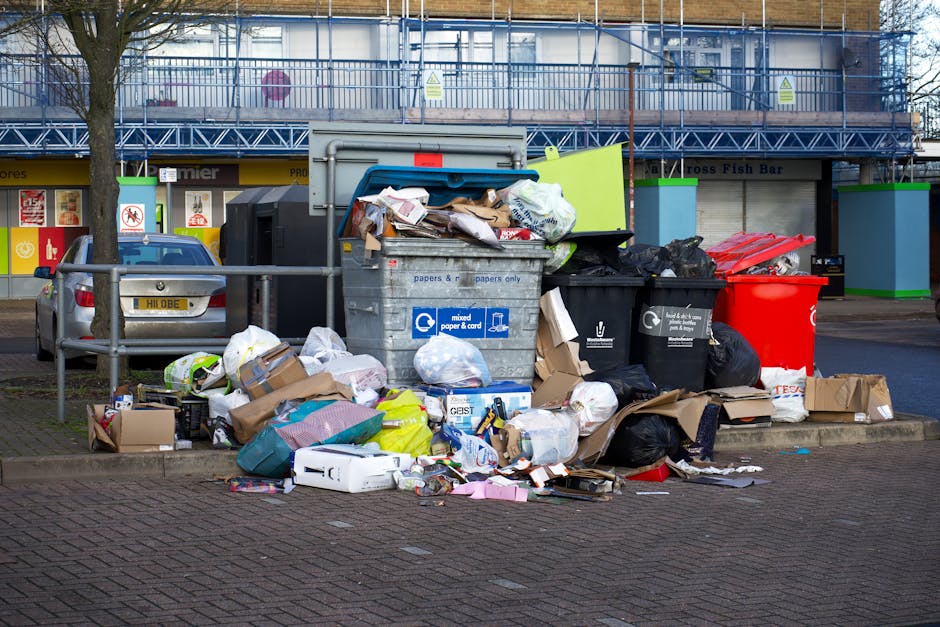
Common Mistakes to Avoid
Most clearance problems come from rushing. The job itself is not usually complicated, but avoidable mistakes can turn it into a headache.
- Leaving everything until the last minute. That almost always means less sorting and more waste.
- Guessing the load size badly. Underestimating the amount can create cost and timing issues.
- Mixing everything together. Recyclables, reusable furniture, and general rubbish should not all end up in one undifferentiated pile if you can help it.
- Forgetting access issues. Shared entrances, stairwells, and tight parking can change the whole plan.
- Not checking restricted items. Some items need extra attention or separate handling.
- Choosing purely on price. Cheap can be fine, but the cheapest option is not always the most efficient or reliable.
There is also a quieter mistake: assuming every clear-out is the same. It is not. A top-floor flat with no lift is a very different job from a ground-floor maisonette with easy rear access. That sounds obvious when written down. In real life, people forget it all the time.
Tools, Resources and Recommendations
You do not need a warehouse full of equipment to prepare for domestic rubbish clearance, but a few basic tools make life easier. In many households, the best "tool" is simply a roll of labels and a handful of strong bags.
Useful items include:
- marker pens for sorting labels
- strong refuse sacks or rubble bags for safe bagging
- cardboard boxes for small reusable items
- tape for securing loose lids or drawers
- gloves if you are handling dusty or awkward items
- a torch for cupboards, lofts, and darker storage spaces
In terms of useful reading and planning resources, these may help depending on your situation: rubbish clearance in Ealing, waste removal in Ealing, and the pricing and quotes page if you want to understand how jobs are usually assessed. For service background, about us can help build trust before you book anything.
And if your situation is part of a bigger local routine - maybe you are a landlord, letting agent, or homeowner juggling multiple changes at once - this guide to rubbish collection near Pitshanger Lane and the article on waste removal near Ealing Broadway Station may offer extra local context.
Law, Compliance, Standards, or Best Practice
When household waste is collected, there is a basic expectation that it will be handled responsibly and transferred to an appropriate facility or process. In plain English: waste should not just disappear into a vague black hole. Good operators should know how to handle different material types carefully and should be able to explain their general approach without fuss.
For residents, the safest rule is simple. Do not place hazardous, electrical, or specialist waste into general bags unless you are sure it is appropriate. If you are unsure about an item, pause and ask before it is mixed in with everything else. That small pause can save time and avoid complications. Truth be told, it is the sensible thing to do.
Good practice also means checking access safety, protecting walls and floors where needed, and avoiding damage in shared residential spaces. In a place like Northfields estate, where common areas matter to everyone, tidy removal and respectful handling are part of the job, not optional extras.
If safety and service standards matter to you, the insurance and safety page is a sensible reference point. It helps set the right expectations around careful work and responsible site behaviour.
Options, Methods, or Comparison Table
There are usually a few ways to deal with domestic waste. The right one depends on volume, access, urgency, and whether the items are mostly general rubbish or a mix of furniture, bagged waste, and reusable belongings.
| Method | Best for | Pros | Trade-offs |
|---|---|---|---|
| DIY council trip or self-removal | Small amounts, easy access | Low direct cost if you already have transport | Time-consuming, lifting involved, multiple journeys |
| Private domestic clearance | Mixed household waste, bulky items, quick turnaround | Convenient, usually faster, less lifting for you | Cost depends on volume and item type |
| Phased clear-out | Large or emotional clearances | Less overwhelming, better sorting | Takes longer overall and may need more planning |
| Combined service approach | Homes with garden, renovation, or mixed waste | Covers several waste types in one plan | Needs clearer preparation to avoid confusion |
In real life, a lot of households end up using a blend. For example, they might recycle what they can, keep a few sentimental pieces, and book a professional clearance for the heavy and awkward part. That is often the sweet spot. Not perfect, just practical.
Case Study or Real-World Example
Here is a realistic example. A couple living in a Northfields estate flat had just finished moving larger furniture into their new place. The old property still held a tired sofa, a broken wardrobe, several bags of mixed clutter, and a few boxes that had somehow survived three different room re-shuffles. Nothing dramatic. Just enough to be annoying.
They started by separating documents, keepers, and obvious rubbish. The hallway was cleared first so access would not be awkward. A quick photo set helped estimate the amount, and the team could plan around the stairwell and parking access before arrival. That mattered more than they expected, because the lift was small and the staircase turn was tight. Of course it was.
The useful part was not just that the rubbish was removed. It was that the room felt usable again. The couple could measure the space properly, clean the floors, and stop mentally working around the pile in the corner. That is the sort of result domestic clearance should deliver: less friction, more calm, no big drama.
Small note, but important: they also kept a "maybe later" box rather than arguing over every odd item. Smart move. Saves time and saves sanity.
Practical Checklist
Use this checklist before booking or starting a domestic clearance on Northfields estate.
- Identify which rooms need clearing
- Separate keep, donate, recycle, and remove
- Put aside any valuables, documents, and sentimental items
- Take photos of bulky or unusual items
- Check access routes, stairs, and parking
- Note any fragile, sharp, or heavy objects
- Ask how mixed waste and recyclables will be handled
- Prepare bags, boxes, or labels if you are sorting in advance
- Decide whether the job is a one-off clearance or part of a bigger home project
- Do a final sweep of cupboards, loft space, under beds, and behind doors
It is a short list, yes, but it catches most of the things that usually go wrong. A lot of the job is simply remembering what people tend to forget when they are busy.
Conclusion
Domestic rubbish clearance Northfields estate explained comes down to one simple idea: make the job clear before the rubbish clears. When you sort early, plan access, and choose the right type of help, the whole process becomes calmer and far more manageable. You do not need a complicated system. You need a sensible one.
The best results usually come from practical thinking rather than perfection. Sort what you can, keep the awkward items visible, and do not let clutter sit around just because it feels easier to ignore it for another week. We have all done that, and it rarely helps.
If you are dealing with a flat, a family home, a move, or a reset after a stressful period, there is real value in getting the space back quickly and properly. A clean, open room changes the mood of a home more than people expect. And that matters.
Get a free quote today and see how much you can save.


From a young age, Blair has cultivated a passion for order, which has now matured into a prosperous profession as a waste removal specialist. She derives satisfaction from transforming disorderly spaces into practical ones, aiding clients in conquering the burden of clutter.
 Tipper Van - Rubbish Removal and Waste Clearance Prices in Ealing, W5
 Luton Van - Rubbish Removal and Waste Clearance Prices in Ealing, W5